What You Need to Do Before Buying or Selling a Car: How to Prepare and Save Money
Published on 14/04/2026 | By Bramvix Automotive Experts
1. Introduction
The process of buying or selling a vehicle is one of the most significant financial transactions most people undertake. Whether you are looking for your first set of wheels or trying to get the best value for your current ride, the stakes are high. In today's volatile automotive market, being unprepared can lead to thousands of dollars in losses. This guide is designed to walk you through every critical step, ensuring that you navigate the complexities of the market with confidence. We will explore how to protect your interests, verify the technical integrity of a vehicle, and most importantly, how to keep more money in your pocket throughout the process.
2. Preparation for Buying
Before you even step onto a dealership lot or browse online listings, you must establish a clear framework. Start by defining your actual needs versus your wants. Do you need a fuel-efficient commuter or a spacious family SUV? Once your needs are identified, set a strict budget. This budget should account for more than just the purchase price; it must include insurance premiums, registration fees, and anticipated maintenance costs. Researching specific models for their reliability ratings and common failure points is essential. Use reputable automotive forums and consumer report sites to understand what owners of these vehicles typically experience after several years of ownership. Knowledge is your strongest leverage in any negotiation.
3. Documentation Check
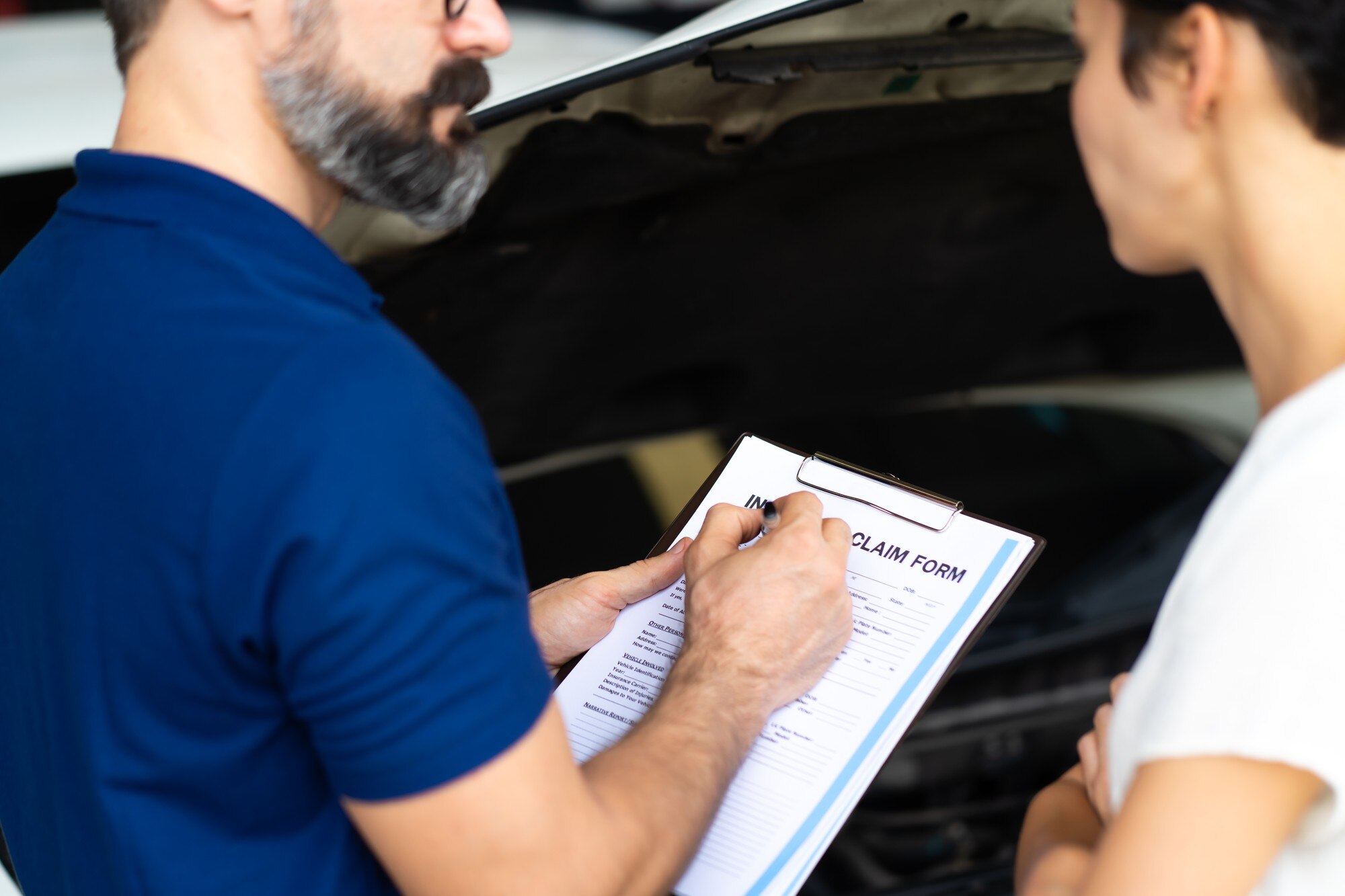
Never take a seller's word at face value. The Vehicle Identification Number (VIN) is the most important tool at your disposal. Use it to pull a comprehensive history report. This report will reveal if the car has a salvage title, has been involved in major accidents, or has any outstanding liens. Furthermore, request the service history. A car with a well-documented maintenance log—showing regular oil changes, brake services, and fluid flushes—is often a much safer bet than a low-mileage car with no records. Ensure the seller has the legal right to sell the vehicle and that the title is clear of any encumbrances that could prevent a smooth transfer of ownership.

4. Technical State Assessment
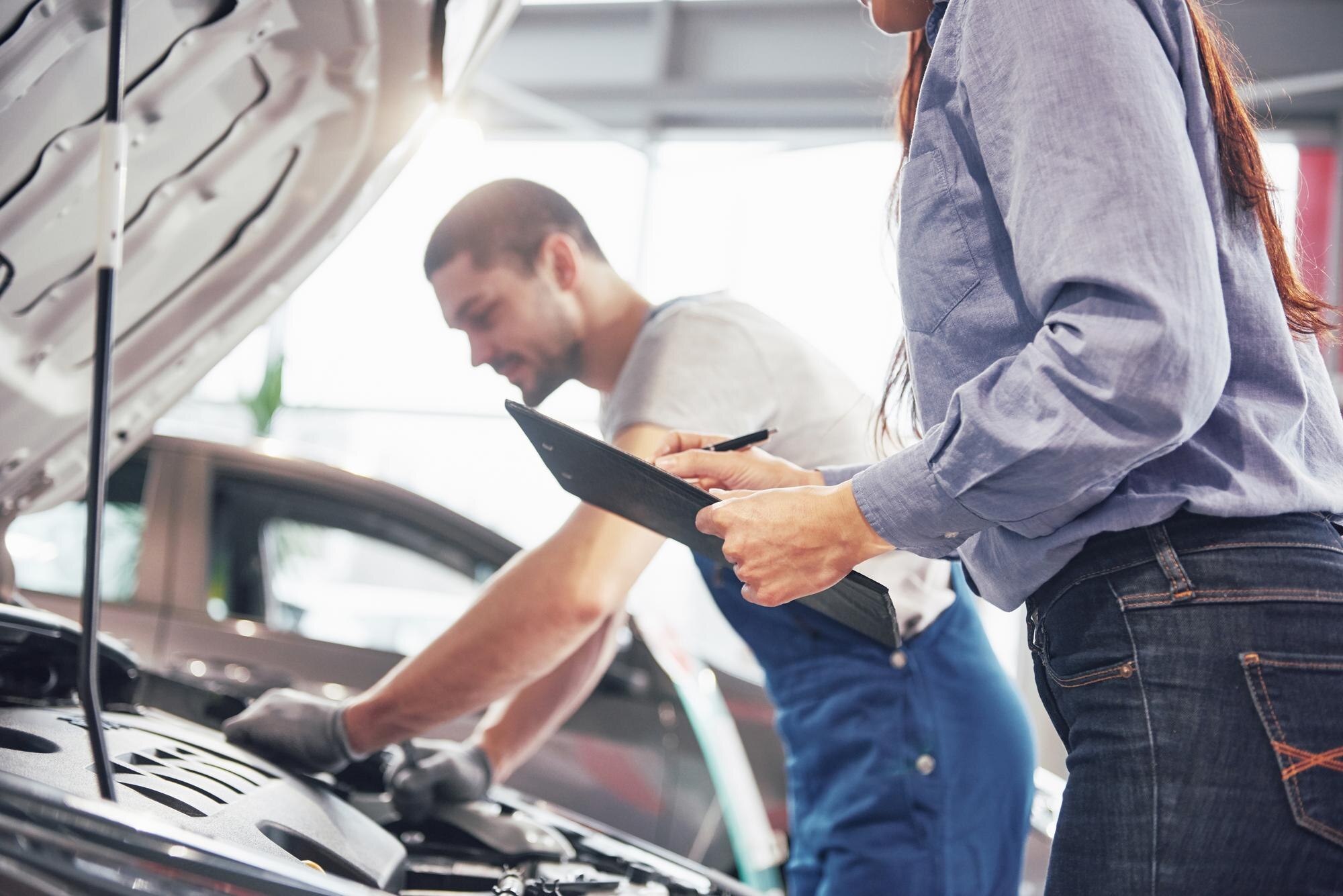
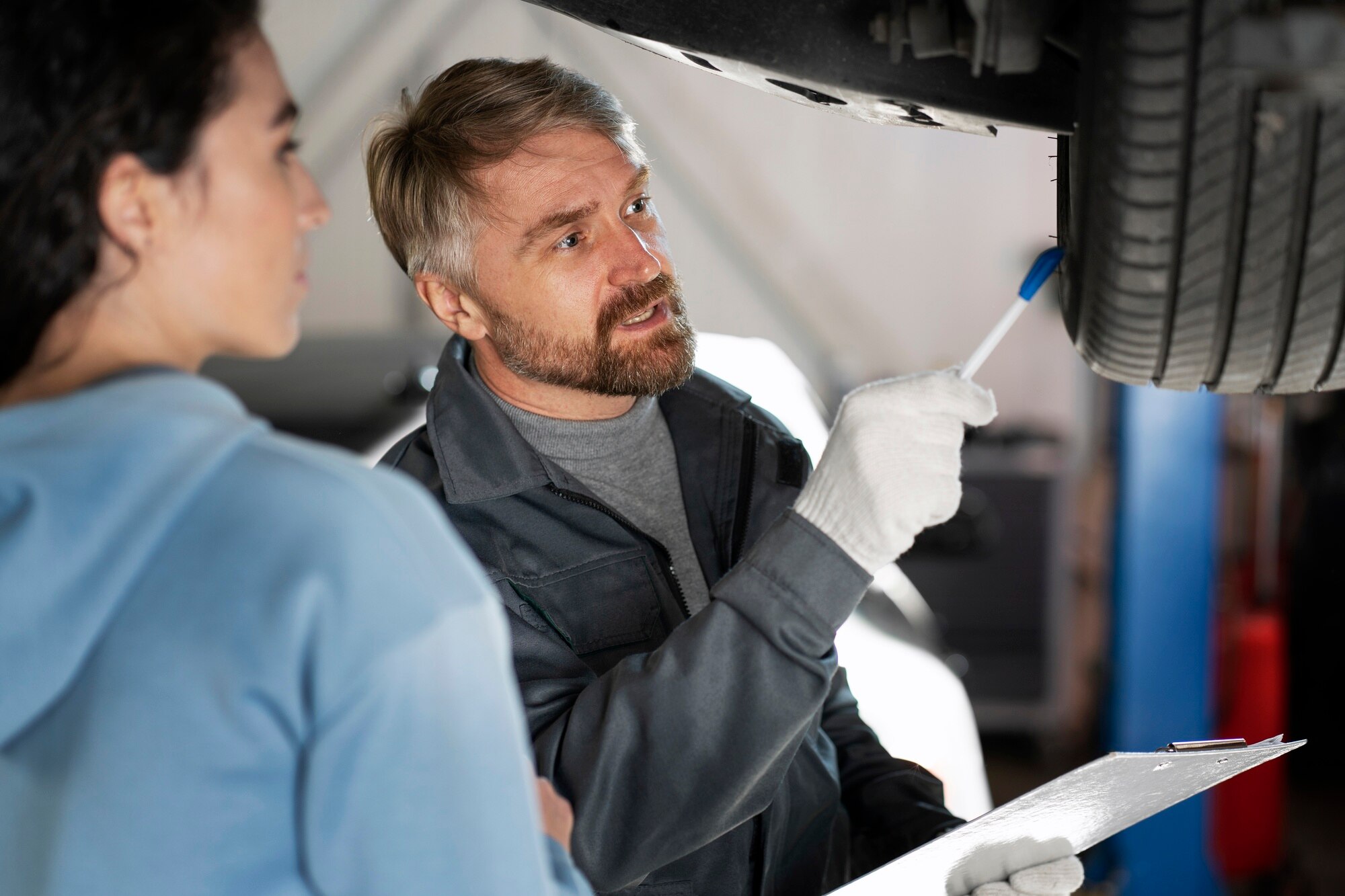
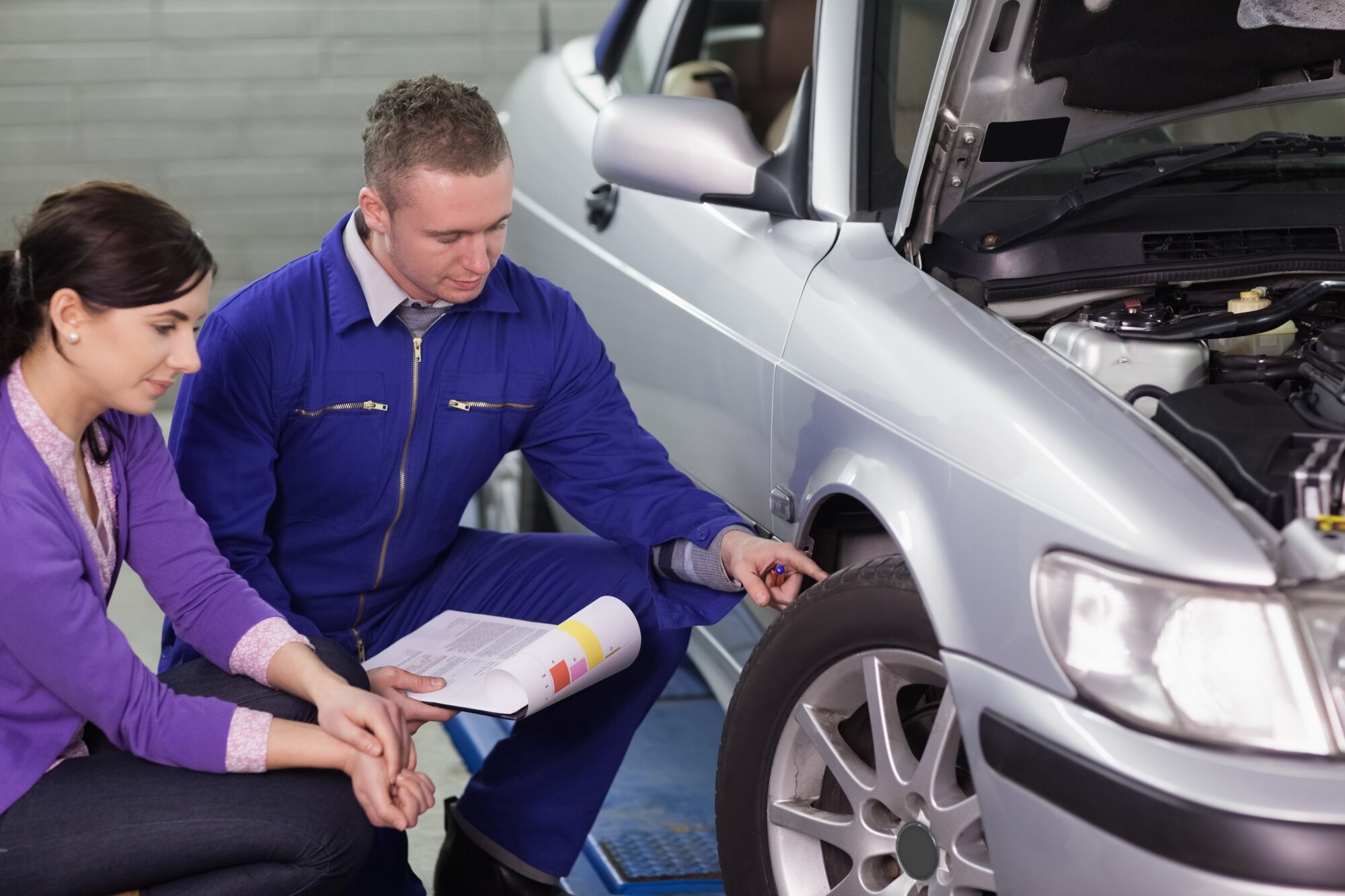
Unless you are a professional mechanic, a Pre-Purchase Inspection (PPI) is non-negotiable. Take the car to a trusted third-party mechanic who can put the vehicle on a lift. They will look for signs of structural damage, fluid leaks, and worn suspension components that aren't visible during a standard test drive. During your own test drive, pay close attention to how the transmission shifts, listen for unusual engine noises, and feel for vibrations in the steering wheel or brake pedal. Check all electronic components, from the air conditioning to the infotainment system. A minor electrical gremlin can be a sign of deeper, more expensive issues hidden within the car's wiring harness.
5. Savings Methods for Buyers
Saving money on a car purchase requires strategy. Timing is everything; dealerships often have quotas to meet at the end of the month or quarter, making them more willing to negotiate. Consider purchasing a vehicle that is 2-3 years old, as the steepest depreciation has already occurred, yet the car likely still has modern safety features and potentially some factory warranty remaining. If you are buying from a private party, you can often avoid the overhead costs that dealers pass on to customers. Always be prepared to walk away. The most powerful tool in a negotiation is the ability to say 'no' and look elsewhere if the price doesn't meet your calculated value.
6. Preparation for Selling
If you are on the other side of the deal, your goal is to maximize the perceived value of your vehicle. This starts with a deep clean. A professional detail can often return five to ten times its cost in the final sale price. Remove all personal items, vacuum every crevice, and consider a high-quality wax to make the paint pop. Address minor cosmetic issues that might turn off a buyer, such as small dents, scratches, or burnt-out interior bulbs. A car that looks cared for suggests to the buyer that it was also mechanically maintained. First impressions are vital in the private sale market.
7. Pre-sale Documentation
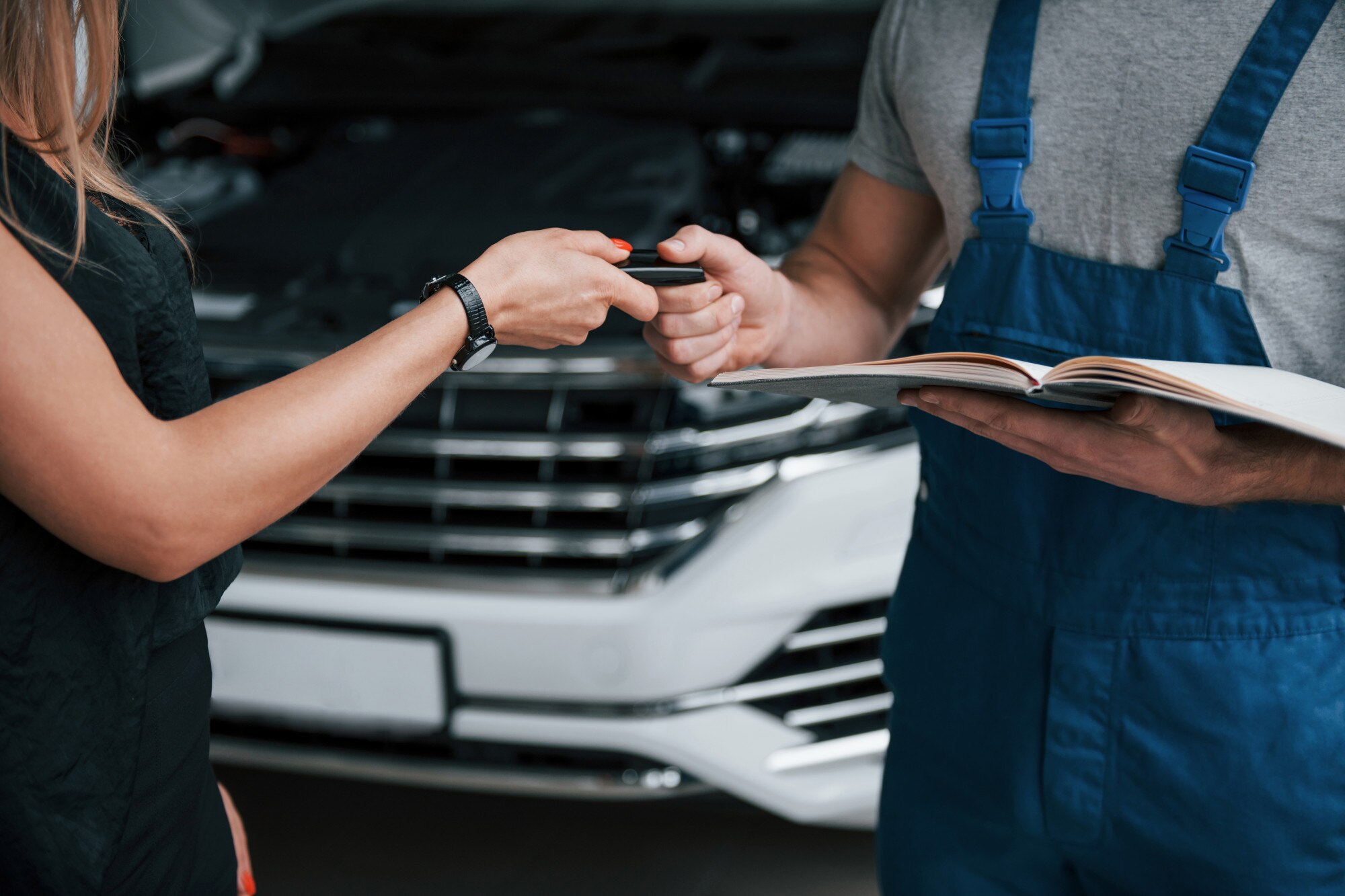
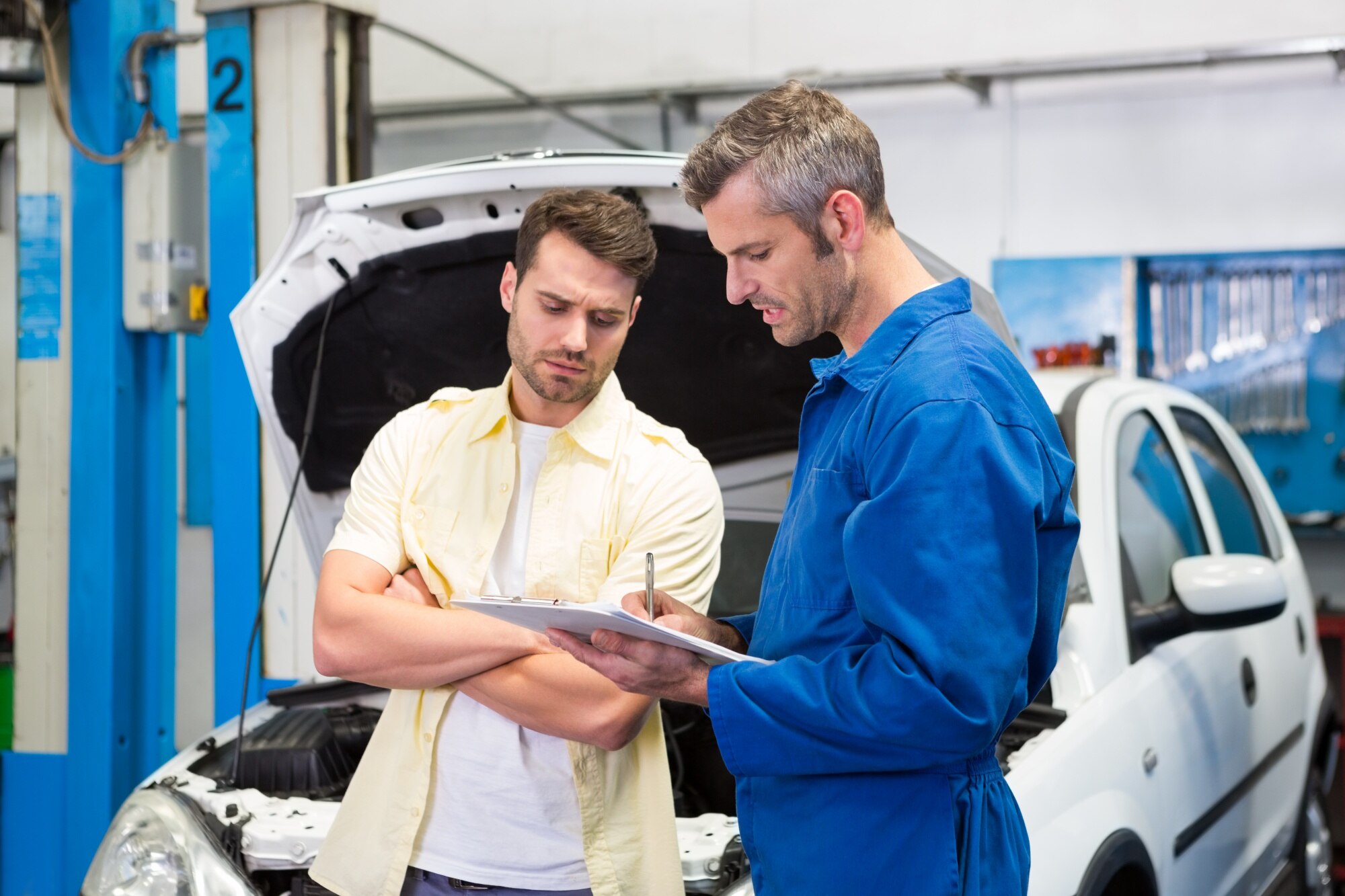
Transparency builds trust and speeds up the sale. Gather all your maintenance records into a neat folder. If you have recently replaced tires, batteries, or brakes, highlight these receipts. Prepare a Bill of Sale in advance and ensure you have the title ready for signing. It is also wise to obtain a recent vehicle history report yourself to show prospective buyers, proving that you have nothing to hide. Clear documentation eliminates friction during the closing stages of the deal and justifies a higher asking price because the buyer feels they are taking on less risk.
8. Pricing Your Vehicle
Setting the right price is a balancing act. Use online valuation tools to find the 'Fair Market Value' based on your car's specific condition, mileage, and location. Look at local listings for similar vehicles to see what the actual competition looks like. Price your car slightly higher than your bottom line to allow room for negotiation, but don't overprice it so much that you scare away serious inquiries. High-quality photography is essential here; take photos in soft, natural light from multiple angles, including the engine bay and the tread on the tires. A well-priced car with great photos will usually sell within the first week.
9. Savings During the Deal
When closing the deal, be wary of unnecessary fees. If selling, avoid platforms that take a large percentage of the sale price as a commission; direct private sales usually net the most cash. For buyers, avoid high-interest financing and look into local bank options before visiting the seller. Be cautious of 'add-ons' like extended warranties or VIN etching that provide little real-world value for their cost. Use secure payment methods—escrow services or meeting at a bank for a cashier's check are the safest ways to handle large sums of money. Protecting yourself from fraud is the ultimate way to save money during a transaction.
10. Summary
Whether you are entering the market as a buyer or a seller, the key to success lies in meticulous preparation and a commitment to transparency. By following the steps outlined in this guide—from technical inspections to strategic pricing—you position yourself to achieve the best possible financial outcome. Remember that the automotive market rewards those who do their homework. Take your time, trust the data over your emotions, and don't be afraid to ask the hard questions. With these strategies in hand, you are ready to navigate your next car deal like a seasoned professional, ensuring both safety and significant savings.